“Island Garden” search results (500)
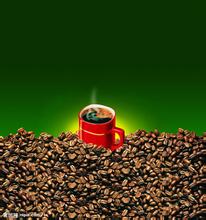
Taste of Ecuadorian Coffee varieties introduction to the characteristics of Hasunda Coffee Garden flavor description
Now that the Galapagos Islands are so famous, not to mention the coffee produced here. Galapagos Islands coffee is recognized as green natural coffee, because the Ecuadorian government has designated the islands as a national park, not only does it no longer allow the reclamation of new agricultural land, but also forbids the use of chemical fertilizers, pesticides, herbicides and other chemicals. Although the elevation of the island is about 200m,
2016-09-27 Ecuador coffee variety taste Hasenda coffee garden flavor description producing area
Galapagos Coffee introduction
In 1875, ManuelJ.Cobos, an indigenous Ecuadorian, began to grow Arabic bourbon coffee trees in the Hasunda Coffee Garden (HaciendaElCafetal) in San Cristobal. Coffee production in the Galapagos Islands: coffee is grown in San Cristobal (SaintCristobal). Inner species of Hasunda Coffee Garden (HaciendaElCafetal) in San Cristobal
2016-08-29 Lapa Goss Coffee introduction 1875 Ecuador Aboriginal worth M.
Introduction of high-quality coffee beans in coffee flavor and taste area of Hassanda Coffee Garden in Ecuador
The Republic of Ecuador is located in northwestern South America. It is bordered by Colombia in the northeast, Peru in the southeast and the Pacific Ocean in the west. It covers an area of 256370 square kilometers and the coastline is about 930km long. The equator runs across the northern part of the border. Ecuador means Spanish equator. Minerals are mainly oil, mainly distributed in the Guayaquil Bay, and oil fields are also found in the Amazon plain.
2016-09-09 Ecuador Hasenda coffee garden coffee flavor taste producing area characteristics boutique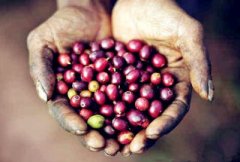
Hawaiian Fine Coffee-- Kona Fine Coffee
In 1813, a Spaniard first grew coffee in the ManoaValley Valley of Oahu, which is today the main campus of the University of Hawaii. In 1825, an English agronomist named John Wilkinson transplanted some coffee from Brazil to grow in the coffee garden of Chief Birch on the island of Oahu. Three years later, a man named Samuel Riflandrag
2016-03-21 Hawaii boutique coffee Kona origin introduction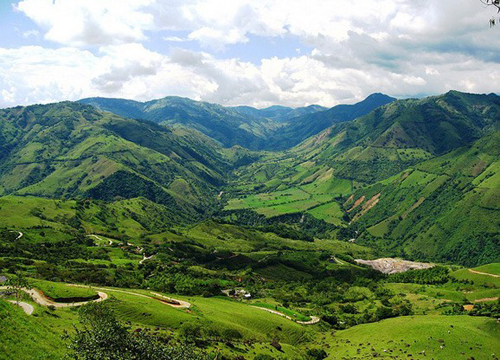
The ancestor of coffee in Central and South America, the most important coffee producing area in the world, the coffee consumed around the world.
Central and South America is now the most important coffee producing area in the world, accounting for more than half of the coffee beans consumed in the world. When it comes to the ancestor of Coffee in Central and South America, we have to mention an island, Martinique, and a soldier, Deckley. In 1723, de Klee, a French naval officer who returned home on leave, got a coffee seedling. Dirkley finally planted the coffee seedling.
2016-04-08 Central and South America coffee ancestor world most important producing area global consumption medium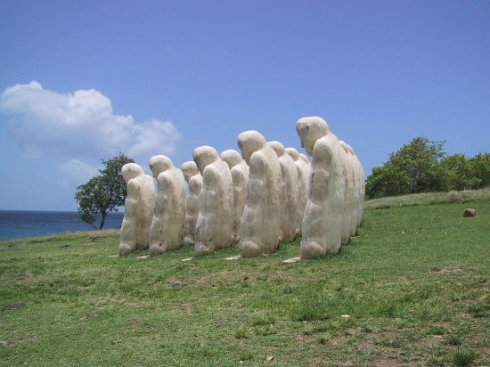
Learn about coffee history and culture-Father of coffee tree
The father of coffee trees-Martinique (martinque), a French island with an area of only 1100 square kilometers, she is the place where the history of coffee cultivation in Central America began. She witnessed the growth and destruction of an industry. There is a special story about coffee coming from France to America. Coffee trees introduced from Holland in 1714 have been growing in the Royal Botanic Gardens in Paris.
2015-11-26 understand coffee father of history and culture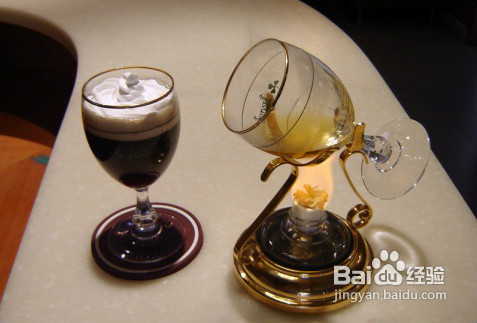
Introduction of Kaha Yang Ganzhuang Garden in the production area of Jinta Mani, Bali Coffee, Indonesia
Bali coffee, known as aristocratic coffee, is the most classic of French coffee culture. It is very popular both in France and in Europe and around the world. In particular, it is permeated with a strong aristocratic culture, and it is a favorite of coffee lovers. The French court is the center of French political and cultural life, and the salon of upper-class society has always led the mass culture and life of France.
2016-07-04 Boutique Indonesia Island Coffee Jinta Marni producing area Kaha Yanggan Manor
Hawaiian Fine Coffee Kona Coffee kona Coffee Kona Coffee Origin History
In 1813, a Spaniard first grew coffee in the ManoaValley Valley of Oahu, which is today the main campus of the University of Hawaii. In 1825, an English agronomist named John Wilkinson transplanted some coffee from Brazil to grow in the coffee garden of Chief Birch on the island of Oahu. Three years later, a man named Samuel Riflandra
2016-01-21 Hawaii boutique coffee Kona kona origin flavor
Introduction of Ecuadorian Coffee Flavor and Taste Manor production area characteristics of Ecuadorian Coffee Hassanda Coffee Garden
Ecuadorian cocoa and coffee beans Why did Mr. Marcolini choose Ecuadorian cocoa beans to make the world's top delicious chocolates? Here is a set of numbers to give you the answer. This comes from the charm of aromatic cocoa. Only 5% of the world's cocoa production is aromatic cocoa beans, which can make mouthwatering delicacies. In this precious place
2016-08-01 Ecuador coffee flavor taste manor producing area introduction characteristics Hasenda
Galapagos Coffee introduction
In 1875, ManuelJ.Cobos, an indigenous Ecuadorian, began to grow Arabic bourbon coffee trees in the Hasunda Coffee Garden (HaciendaElCafetal) in San Cristobal. Coffee production in the Galapagos Islands: coffee is grown in San Cristobal (SaintCristobal). Inner species of Hasunda Coffee Garden (HaciendaElCafetal) in San Cristobal
2016-08-30 Lapa Goss Coffee introduction 1875 Ecuador Aboriginal worth M.
Galapagos coffee producing area Galapagos coffee flavor Galapagos coffee characteristics
In 1875, ManuelJ.Cobos, an indigenous Ecuadorian, began to grow Arabic bourbon coffee trees in the Hasunda Coffee Garden (HaciendaElCafetal) in San Cristobal. Coffee production in the Galapagos Islands: coffee is grown in San Cristobal (SaintCristobal). Inner species of Hasunda Coffee Garden (HaciendaElCafetal) in San Cristobal
2016-09-01 Lapa Goss coffee producing areas flavors characteristics 1875 Ecuador soil
Introduction of Ecuadorian Coffee Flavor and Taste Manor production area characteristics of Ecuadorian Coffee Hassanda Coffee Garden
Ecuadorian cocoa and coffee beans Why did Mr. Marcolini choose Ecuadorian cocoa beans to make the world's top delicious chocolates? Here is a set of numbers to give you the answer. This comes from the charm of aromatic cocoa. Only 5% of the world's cocoa production is aromatic cocoa beans, which can make mouthwatering delicacies. In this precious place
2016-08-01 Ecuador coffee flavor taste manor producing area introduction characteristics Hasenda
Global Coffee producer-Galapagos
In 1875, ManuelJ.Cobos, an indigenous Ecuadorian, began to grow Arabic bourbon coffee trees in the Hasunda Coffee Garden (HaciendaElCafetal) in San Cristobal. Coffee production in the Galapagos Islands: coffee is grown in San Cristobal (SaintCristobal). Inner species of Hasunda Coffee Garden (HaciendaElCafetal) in San Cristobal
2014-07-09 Coffee origin coffee production global coffee producing area
Why is there a way out for cafes that "don't do their job"?
In China, a country with no history of coffee and no rigid demand for coffee, the shape of cafes is constantly evolving, spelling out more than just the quality of coffee. Since French Godfather Tian Deneng moved the first coffee tree to China in 1902, coffee has experienced more than a hundred years of development in the Chinese market. From the coffee wasteland where the coffee tycoons were afraid to stay away in the past, to the fact that Starbucks is now
2015-02-18 Why if you don't do your job the cafe will have a way out.
Galapagos coffee producing area Galapagos coffee flavor
In 1875, ManuelJ.Cobos, an indigenous Ecuadorian, began to grow Arabic bourbon coffee trees in the Hasunda Coffee Garden (HaciendaElCafetal) in San Cristobal. Coffee production in the Galapagos Islands: coffee is grown in San Cristobal (SaintCristobal). Inner species of Hasunda Coffee Garden (HaciendaElCafetal) in San Cristobal
2016-08-31 Lapa Goss Coffee producing area Flavor 1875 Ecuador Native Wo
The coffee producing area of the Galapagos Islands.
In 1875, ManuelJ.Cobos, an indigenous Ecuadorian, began to grow Arabic bourbon coffee trees in the Hasunda Coffee Garden (HaciendaElCafetal) in San Cristobal. Coffee production in the Galapagos Islands: coffee is grown in San Cristobal (SaintCristobal). Inner species of Hasunda Coffee Garden (HaciendaElCafetal) in San Cristobal
2015-02-16 Global Coffee Origin Lapa Goss Islands 1875 Ecuador Turkey
Galapagos Islands Coffee characteristics of Galapagos Islands Coffee
In 1875, ManuelJ.Cobos, an indigenous Ecuadorian, began to grow Arabic bourbon coffee trees in the Hasunda Coffee Garden (HaciendaElCafetal) in San Cristobal. Coffee production in the Galapagos Islands: coffee is grown in San Cristobal (SaintCristobal). Inner species of Hasunda Coffee Garden (HaciendaElCafetal) in San Cristobal
2015-03-26 Lapa Goss archipelago coffee specialty 1875 Ecuador indigenous Wo
Global coffee producer Galapagos Galapagos Islands Coffee Market
In 1875, ManuelJ.Cobos, an indigenous Ecuadorian, began to grow Arabic bourbon coffee trees in the Hasunda Coffee Garden (HaciendaElCafetal) in San Cristobal. Coffee production in the Galapagos Islands: coffee is grown in San Cristobal (SaintCristobal). Inner species of Hasunda Coffee Garden (HaciendaElCafetal) in San Cristobal
2015-08-24 Global Coffee Origin Lapa Goss Islands Market 1875 Ecuador
The coffee producing area of the Galapagos Islands.
In 1875, ManuelJ.Cobos, an indigenous Ecuadorian, began to grow Arabic bourbon coffee trees in the Hasunda Coffee Garden (HaciendaElCafetal) in San Cristobal. Coffee production in the Galapagos Islands: coffee is grown in San Cristobal (SaintCristobal). Inner species of Hasunda Coffee Garden (HaciendaElCafetal) in San Cristobal
2015-10-08 Global Coffee Origin Lapa Goss Islands 1875 Ecuador Turkey
Introduction to the characteristics of the coffee producing area of the balanced Hasunda Coffee Garden in Ecuador
Ecuadorian coffee has distinctive South American coffee characteristics. The fragrance is soft, as if you can go back to the ancient and mysterious Inca empire. Coffee is a good history, you need to savor it carefully in order to understand the vicissitudes of life. Balanced with low acidity and rich aroma. The bitter taste is not obvious, the taste is clear, but there is a lingering aftertaste for a long time. Excellent
2016-09-27 Balanced Center Sex Ecuador Hasenda Coffee Garden Coffee producing area characteristics